
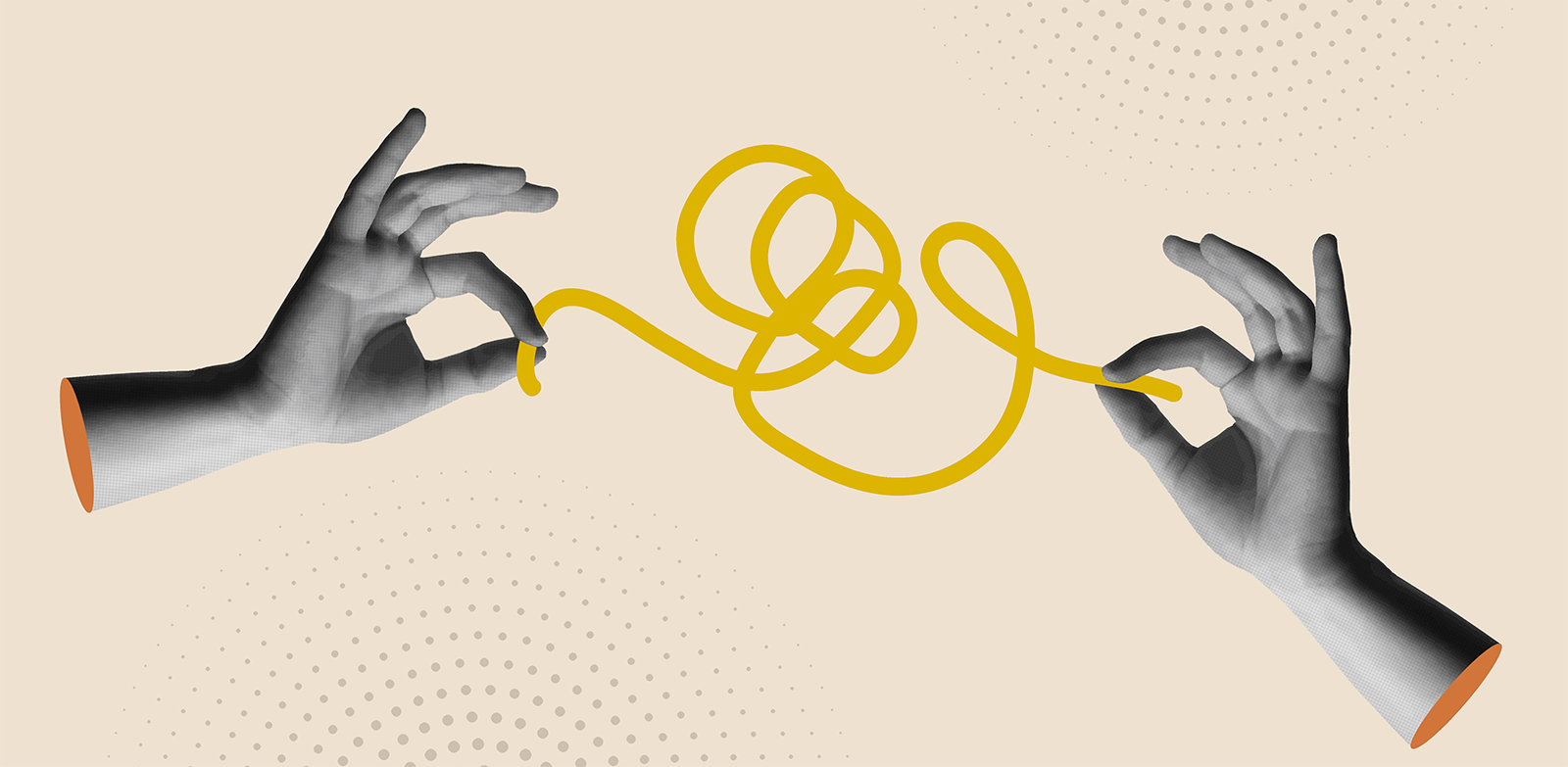
I am an imposter!

Understanding Imposter Syndrome
Imposter Syndrome was coined by psychologists Pauline Rose Clance and Suzanne Imes in 1978, imposter syndrome describes the internal experience of believing you’re not as competent as others perceive you to be.
In case you’re not sure if it affects you, try these on for size:
- Doubting your skills and achievements, feeling like your success is undeserved.
- Attributing success to luck or external factors, downplaying for accomplishments or dismissing positive feedback.
- Fear of being exposed as a fraud, despite evidence of your abilities.
- Over-preparing or procrastinating due to fear of failure.
- Avoiding new opportunities because you feel “not ready” or “not good enough.
Creatives and artists face unique challenges making them vulnerable to the feelings of imposter syndrome.
Why????
My sense is the personal self-expression of creative work and the vulnerability that leads to authenticity that leads to an increased feelings of being an imposter. Coupled with galleries and critics who are arbitrary judges of a whole creative system. It is the norm to see yourself as an outsider.
What to do: actions you can take
Step 1 – Acknowledge how you feel
Here’s the permission, if you need it, to remind yourself that this feeling is normal. Know that it does NOT reflect your true abilities.
Step 2. Celebrate your wins
Take time to reflect on your accomplishments, big or small. Keeping a success journal* can help you track progress and build confidence in your work.
3. Seek community support
Connect with fellow artists who understand the ups and downs of the creative process. Sharing your experiences can be incredibly validating and uplifting. Share your experience in the comments section here so others can learn from you too.
4. Focus on the process, not just the outcome
Shift your perspective from “How will this be received?” to “What can I explore and express through this?” Embracing the creative journey can ease the pressure of perfectionism.
5. Reframe your inner critic
When self-doubt creeps in, challenge it with facts: “I’ve created meaningful work before, and I can do it again.” Replace destructive self-talk with affirmations of your growth and talent.
Overcoming Imposter Syndrome – essential reading
The War of Art by Steven Pressfield is, in my opinion, the best book written for artists on addressing Imposter Syndrome that I’ve come across. It’s top of my essential reading list for all Artists. I tackles head on those feelings of resistance to getting starting and getting work done, including the feelings of Imposter Syndrome.

Why Your Art Matters
Every artist brings a unique perspective to the world. Imposter syndrome may try to convince you that your voice doesn’t matter, but it does. The very act of creating is a testament to your courage and passion. Remember, even the most celebrated artists have battled self-doubt—what sets them apart is their decision to keep creating despite it.
By understanding imposter syndrome and learning to navigate its challenges, you can reclaim your confidence and continue to share your art with the world. You belong here, and your art is worth sharing.
Latest articles



Newsletter sign up
Weekly updates or daily inspiration - your choice.
